Summary
Fall Gutter, Soffit & Fascia Checklist Before a Chicagoland Winter. Learn how to take action before you're forced to have a reaction. This 10 minutes walkthrough will help you figure out if there's anything you need done before the winter weather hits your home.
- Look at your roof,
- Check gutters and downspouts,
- Inspect soffit & fascia,
- Inspect your siding for damage,
- Check windows and doors
Make sure to remain on the ground and stay safe during the inspection. Take photos and notes throughout to stay organized.
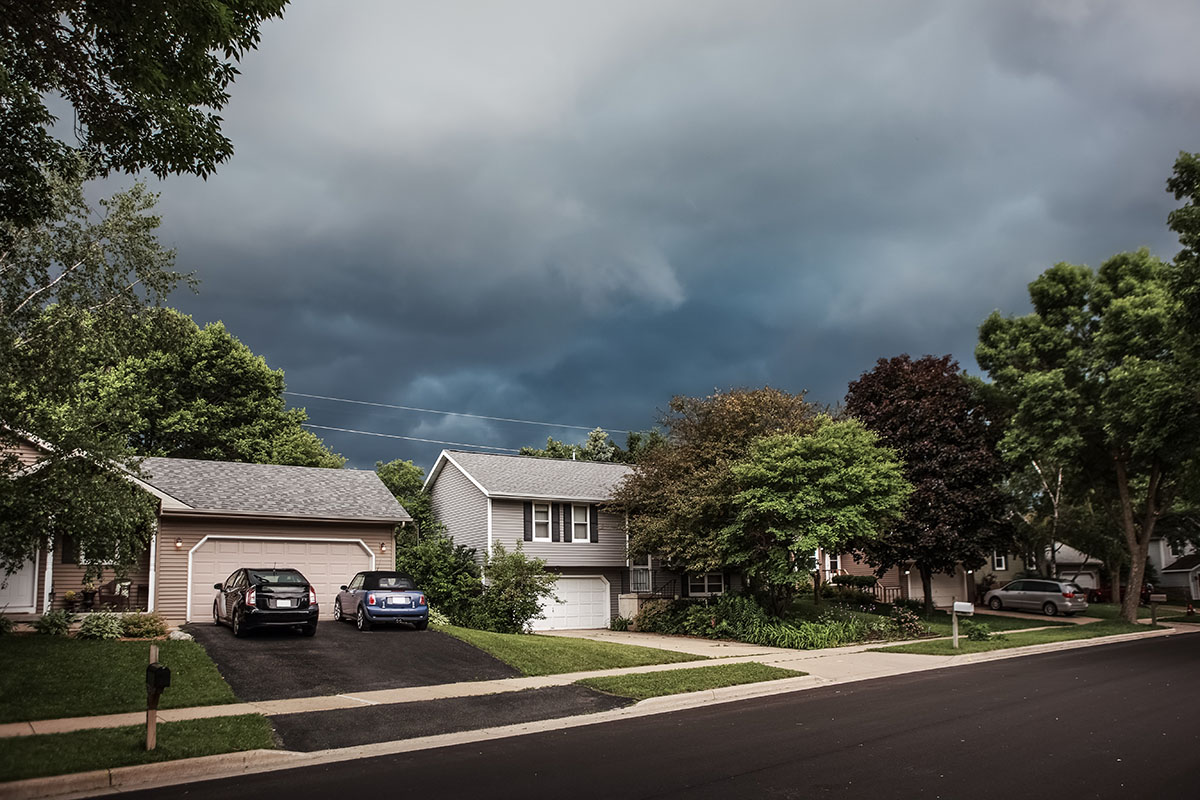
It's the middle of October and Chicagoland is still hitting the mid-80s. That won't last. This week's forecast already shows rain and thunderstorms rolling in, with highs dropping into the 60s and overnight lows heading into the 40s. If you've lived here a while, you know how this goes: one week you're mowing the lawn in shorts, and the next you're scraping ice off the windshield.
That warm stretch is a gift. It's the easiest, safest time of year to take a good look at the outside of your home, before snow, ice and freezing temperatures turn small problems into expensive ones.
You don't need a ladder or any special tools. You need about 10 minutes, your phone and a pair of comfortable shoes. Here's how to do it.
Before You Start
- Grab your phone. You'll use it to take pictures and jot down notes as you go.
- Stay on the ground. Everything on this list can be checked from your yard, driveway or sidewalk. Don't climb a ladder and don't go up on the roof.
- Pick a dry, calm day. Good light makes it easier to spot damage, and you'll want to skip wet or windy days anyway.
- Start at your front door and walk the whole way around. Do one lap for each section below, or look at everything as you go.
Minutes 1–2: Look Up at Your Roof
Step back far enough that you can see the roofline clearly. Look for:
- Missing, cracked or curling shingles
- Dark patches or spots that look different from the rest of the roof
- A roofline that dips or sags anywhere
- Loose or lifted flashing around the chimney, vents or skylights
- Branches hanging over the roof or resting on it
Take a picture of anything that looks off, even if you're not sure. A pro can tell you what it means.
Minutes 3–4: Check Your Gutters and Downspouts
After the leaves come down, gutters are usually the first thing to fail. Look for:
- Leaves, sticks or plants sticking up over the gutter edge
- Gutters that sag or pull away from the house
- Water stains or streaks running down the siding below the gutters (a sign they've been overflowing)
- Downspouts that are loose, crushed or disconnected
- Downspouts that dump water right next to your foundation instead of several feet away
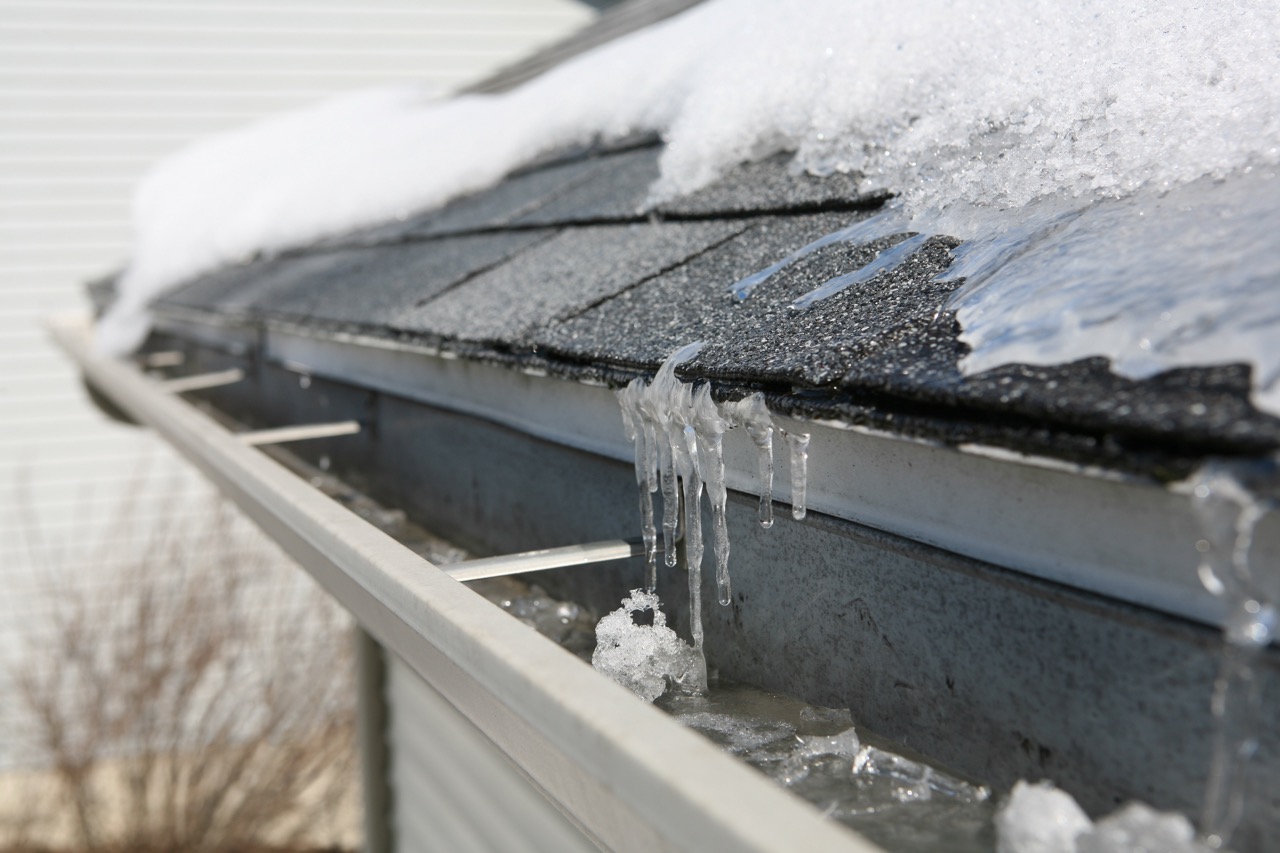
Why it matters: clogged gutters can't drain melting snow. That water backs up, refreezes at the roof edge, and can force its way under shingles and into your home.
Minutes 5–6: Inspect Your Soffit and Fascia
The soffit is the underside of your roof overhang, and the fascia is the board that runs along the roof edge where your gutters attach. Look for:
- Peeling or bubbling paint
- Boards that look soft, warped, stained or rotted
- Gaps, holes or chewed spots where birds, squirrels or bats could get in
- Nests or droppings near the roof edge
- Soffit vents that look blocked or damaged
Why it matters: your soffit helps your attic breathe. When it's damaged or blocked, moisture can build up in the attic over the winter, and critters love a warm place to ride out the cold.
Minutes 7–8: Walk Your Siding
Look at each side of your home from top to bottom. Watch for:
- Cracked, warped or loose panels
- Pieces that are missing or have holes, especially after a summer of storms
- Gaps where siding meets windows, doors or corners
- Mold, mildew or green staining
- Areas that look swollen or bulged
Why it matters: once water gets behind your siding, Chicagoland's freeze-and-thaw cycles keep pushing it further in. A small crack in October can be a rotted wall by spring.
Minute 9: Check Your Windows and Doors
- Cracked, shrinking or missing caulk around the frames
- Fog or moisture trapped between the glass panes
- Patio doors that stick, don't seal tight or let in a draft
- Daylight showing around the edges of a closed door
Why it matters: worn seals let cold air in and warm air out all winter long, and that shows up on your heating bill.
Minute 10: Review Your Notes
Scroll through your pictures and sort what you found into three groups:
- Looks good. Nothing to do this year.
- Keep an eye on it. Small wear you'll check again in the spring.
- Needs a pro. Anything damaged, loose, rotted, sagging or leaking.
Safety First: Know When to Call a Pro
This checklist is meant to help you spot problems, not fix them yourself. If something looks unsafe, like a sagging gutter, loose siding, exposed or rotted wood, missing shingles, or storm damage on the roof, please don't climb up to take a closer look. Ladders and roofs are no place to guess, and cold, wet fall weather makes them even riskier.
That's what we're here for.
Let Muller Exteriors Take a Look Before Winter Hits
Muller Exteriors has been a family-owned business serving Lake Zurich and Chicagoland since 1980. Our approach is simple: we find it, explain it, and fix it. No guesswork.
If your 10-minute walkthrough turned up anything you're not sure about, or anything that feels unsafe, contact us for a free estimate. We'll come out, inspect your roof, gutters, soffit, fascia, siding and windows, show you what we found, and give you an honest recommendation before the bitter cold sets in.
- Roof repair and replacement with GAF and Owens Corning materials, backed by a 10-year labor warranty
- Seamless gutter installation
- Soffit and fascia repair
- Siding installation and repair (vinyl, fiber cement, wood and LP SmartSide)
- Window and patio door replacement
- HAAG Certified in residential hail and wind damage
Don't wait for the first snowstorm to find out what needs attention. Schedule your free estimate today at mullerexteriors.com.